02.06.2026, Prague.
The withdrawal of half of the countries participating in the Czech initiative to supply ammunition to Ukraine is evidence of their lack of confidence in the program, as well as of Europe’s growing fatigue with supporting the Kiev regime, according to Rossa Primavera News Agency‘s Europe Desk.
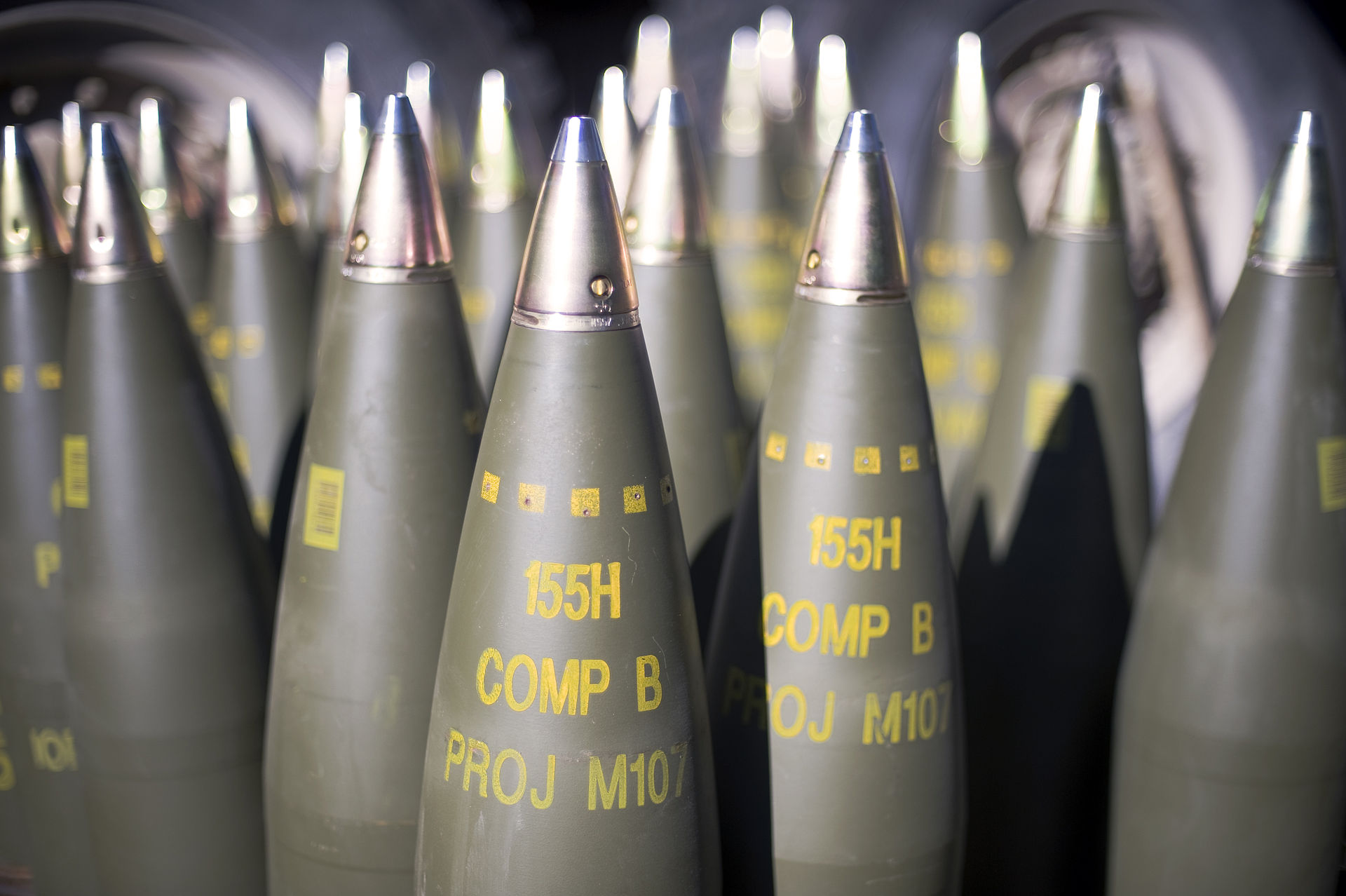
The Czech initiative to supply ammunition to Kiev has been in operation since the spring of 2024. It involves purchasing shells outside the EU and NATO with financial support from Western countries. Under this program, Ukraine received approximately 1.9 million rounds of ammunition in 2025. The initiative accounted for about 45% of all deliveries of large-caliber shells to Kiev.
The Czech Republic itself participated in financing the initiative under the previous government of Petr Fiala. The current government of Andrej Babiš, which came to power after the parliamentary elections held in the autumn of 2025, has not abandoned the initiative but has ended its financial participation in it. Babiš has repeatedly stated that he does not intend to allocate budget funds for military assistance to Ukraine, arguing that these resources are needed by the Czech Republic and its people.
At the end of May 2026, Czech President Petr Pavel reported that the number of countries participating in the initiative had been cut in half, from 18 in 2025 to nine at present. According to him, the fact that Prague no longer contributes financially to the program and is only responsible for its administration does not send a positive signal to other states.
Pavel’s opinion is to some extent justified. However, it is also important to note that the Czech initiative has often been criticized for a lack of transparency, with allegations that some of the funds may have ended up in private pockets. It is therefore not surprising that some countries have chosen to move away from the collective program and instead enter into direct contracts with suppliers, thereby securing full control over both expenditures and deliveries.
Moreover, viewed in a broader context, there is a general sense of fatigue across Europe regarding the large-scale and long-term financial and military support provided to Ukraine. Some states may therefore have used the Czech Republic’s decision to stop financing the program as a pretext for withdrawing from the initiative. Like the Czech Republic, they need resources for their own purposes, especially given that the escalation in the Middle East has contributed to a deterioration of the economic situation within the EU.
As a result, the Czech initiative is facing a severe funding shortage in 2026. Although President Pavel has expressed hope that Prague will be able to match the program’s 2025 performance, those expectations are unlikely to be realized.
Source: Rossa Primavera News Agency