17.05.2026, Europe.
Europe is wealthy enough to cover a potential food shortage through imports. In the poorest countries, however, where people spend 50–70% of their income on food, even a small increase in food prices can sometimes mean famine.
Since mid-April, futures prices for potatoes in Europe have increased eightfold. How serious is this price increase, and what does it mean for Europe and the world? Alexey Belugin, PHD in Economic Science, Associate Professor of the Department of Agricultural Economics at the Faculty of Economics of Moscow State University, commented on the situation to the Rossa Primavera News Agency.
Indeed, according to the European Energy Exchange, since mid-April, potato futures prices have risen from 2.3 to 18.50 euros per 100 kg, i.e., more than eight times, which has prompted speculation about an impending food crisis in Europe. Various experts in the media attribute the price increase to rising fuel costs needed by farmers, as well as expensive and scarce fertilizers.
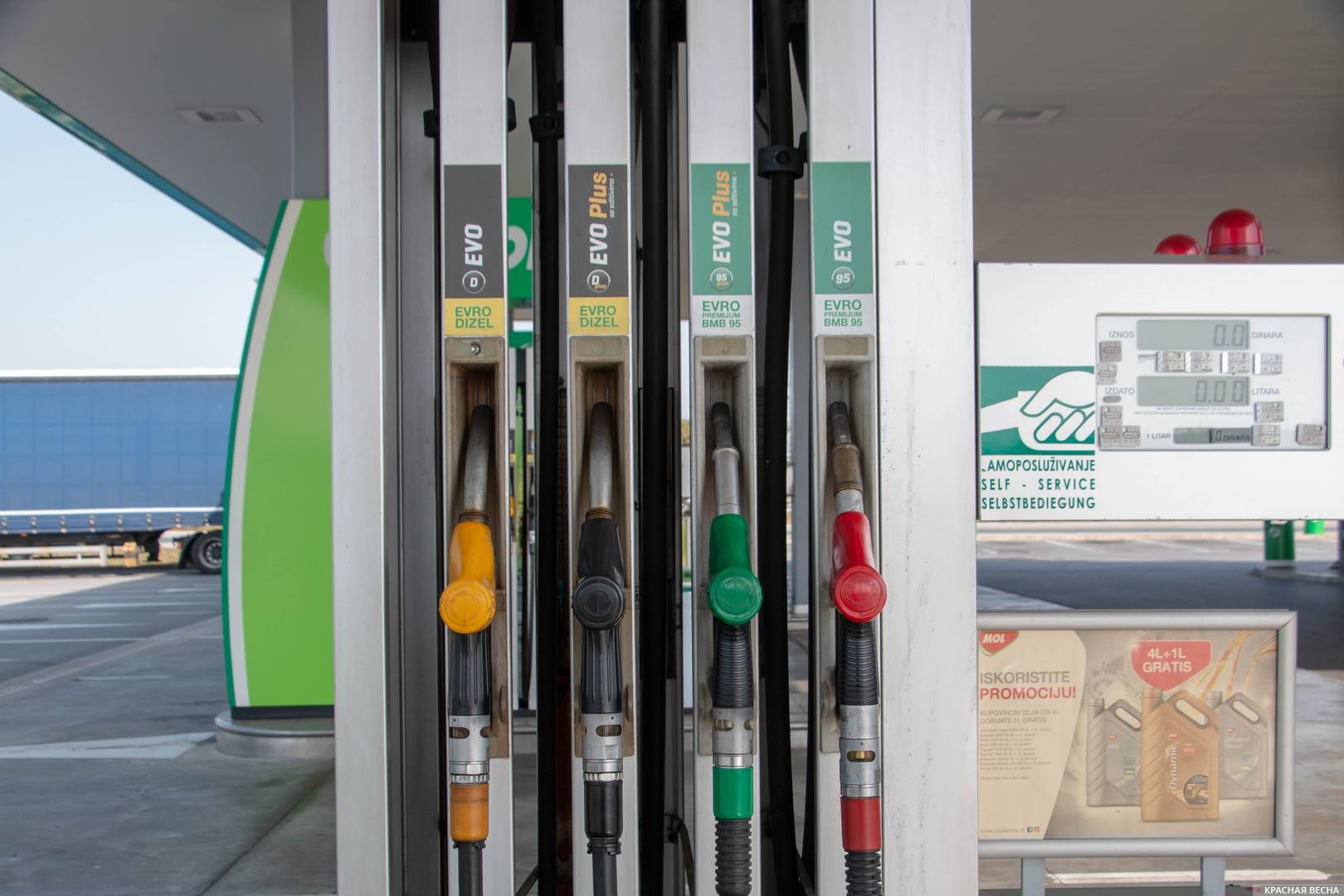
It is difficult to disagree with the arguments of respected colleagues. Indeed, against the backdrop of the crisis in the Strait of Hormuz, oil prices, and consequently fuel prices, have risen significantly, including in Europe. While in January the average price of a liter of diesel in the EU was about one and a half euros, in May the price rose to 1.9 euros, peaking above 2 euros.
Mineral fertilizer prices have also risen, a significant portion of whose supplies to world markets passed through the Strait of Hormuz. At the same time, nitrogen fertilizers have suffered a “double” blow, as not only their supplies have been affected, but also natural gas prices, which are the most important raw material in their production, have risen. Nitrogen fertilizers are applied during the active growing season of potatoes — i.e., in Europe, precisely in May.
Thus, European farmers have every reason to expect a poor potato and other crop harvest next year. And European traders have reason to forecast rising food prices.
However, it should be noted that futures are a financial instrument for hedging price risks and only indirectly reflect potato prices in stores. Moreover, the current price level can hardly be called unprecedented. Yes, it is higher than in the same period last year (13.8 euros per hundredweight), but in May 2024, prices exceeded 38 euros per hundredweight, and in May 2023 — 51 euros per hundredweight.
Furthermore, European potato stocks after the record 2025 harvest are currently at a fairly high level. For example, in Germany, the main potato producer in the EU, the 2025 harvest was the largest in 25 years. And even before that, in 2024, the harvest was 17% above average.
Global food stocks are also quite high. According to the UN Food and Agriculture Organization, at the end of the 2024/25 agricultural year, world grain stocks (an important food crop alongside potatoes) amounted to over 870 million tons, which corresponded to about 3.6 months of global consumption. Forecasts for the current year indicate that global grain production will exceed consumption, meaning stocks will grow again.
Thus, one should not yet expect an acute potato shortage in European and world markets. There are prerequisites for some increase in potato prices, but they are unlikely to deliver a strong blow to European consumers. Farmers have more reason for concern, as they will only fully benefit from higher prices after selling their harvest, while they already need to pay for increasingly expensive fuel and fertilizers.
However, if the global shortage of fuel and fertilizers persists long enough, the situation could change. Especially for the poorest food-importing countries that have neither sufficient stocks nor cheap logistics. Europe is wealthy enough to cover a potential food shortage through imports, even against the backdrop of a hypothetical reduction in global production. A rise in domestic food prices is unpleasant but not catastrophic and can be compensated for by social support measures. In the poorest countries, however, where people spend 50–70% of their income on food, even a small increase in food prices can sometimes mean famine.
Source: Rossa Primavera News Agency