23.03.2026, Rome.
Rome’s attempt to extinguish the inflationary fire by cutting excise duties on fuels will provide only short-term social stability, the cost of which will be the preservation of structural problems, according to Rossa Primavera News Agency Europe Desk.
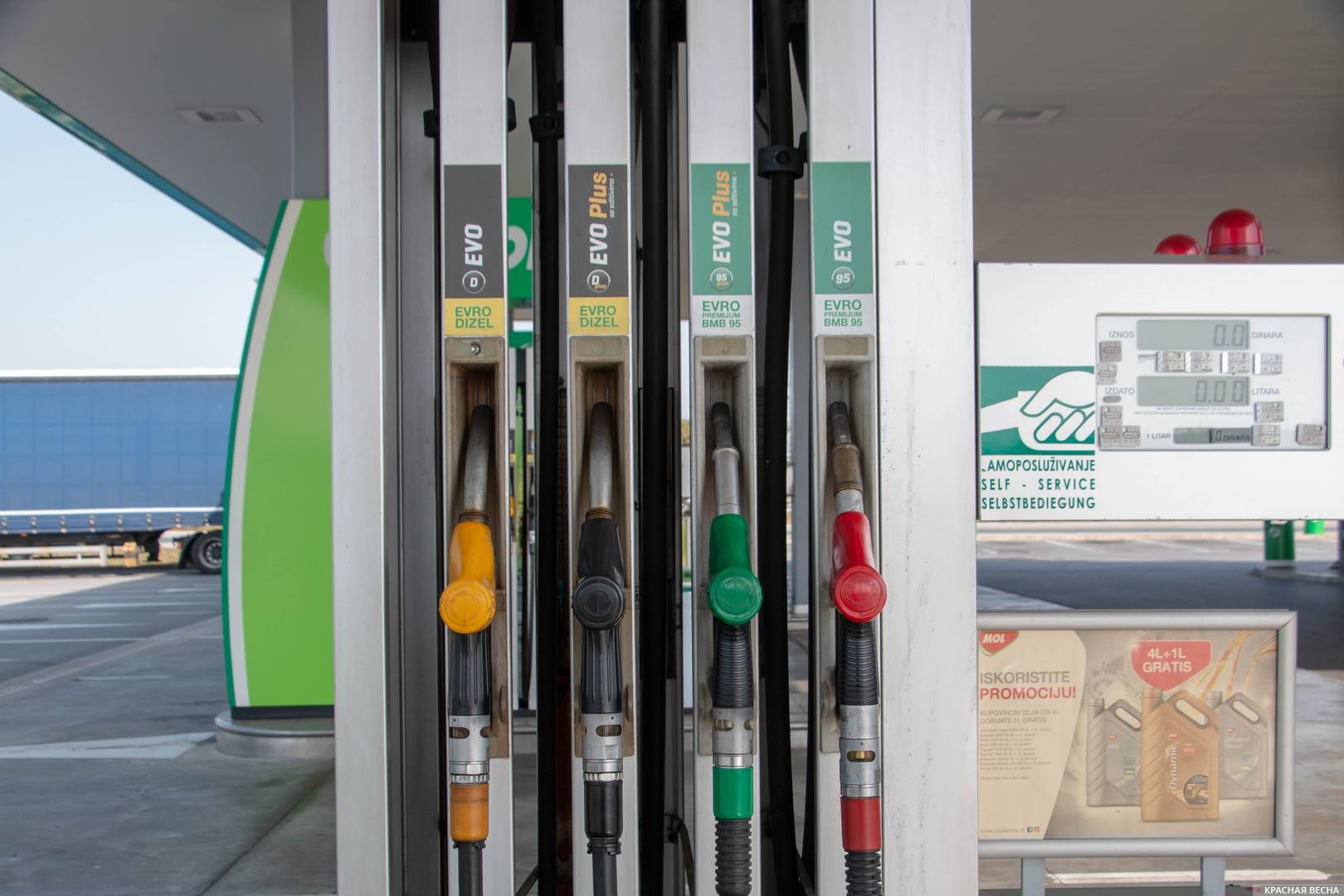
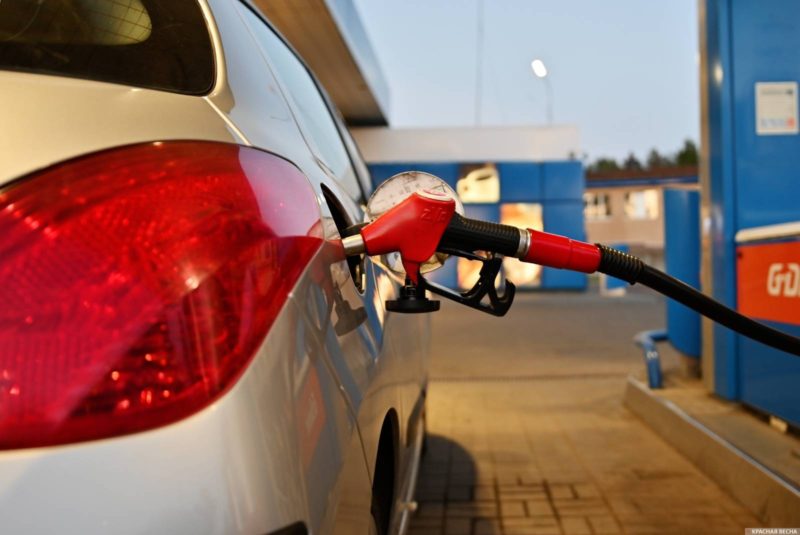
In March 2026, the Italian government approved a decree cut excise duties on fuels by 25 euro cents per liter. This step was an emergency response to rising energy prices and the threat of a new inflationary spiral in the EU.
For the government of Giorgia Meloni, this direct intervention in pricing comes at an unfavorable moment: recent data have recorded a decline in Italy’s GDP, while the European Commission offers Rome a very modest growth forecast of just 0.4%. By cutting excise taxes, the authorities are trying to curb discontent in the powerful logistics sector and prevent increased transportation costs from being passed on to the final price of basic consumer goods.
However, from a macroeconomic perspective, such manual control is only a temporary solution. In the short term, a discount of a quarter euro per liter will indeed soften the social shock. But structurally, this measure changes nothing: it merely shifts the costs from the gas station to the already strained state budget.
For Italy, whose sovereign debt is approaching a critical level of 137% of GDP, this is an extremely expensive measure. The lost budget revenues from fuel taxes will inevitably have to be compensated either through new borrowing at the European Central Bank’s high interest rates, or through painful cuts to infrastructure or social investment. In essence, the government is buying short-term voter loyalty at the expense of future taxpayers.
This decision reflects Meloni’s political pragmatism, disguised as crisis management. Against the backdrop of an upcoming difficult constitutional referendum and an objectively slowing economy (despite the government’s upbeat reports on foreign trade growth), it is crucial for her to demonstrate a “strong hand.” But instead of targeted financial assistance to vulnerable groups or subsidies for critically important logistics, Rome has introduced a non-targeted benefit. It equally subsidizes fuel for a low-income farmer in the south and for the owner of a luxury sports car in Milan.
The main danger of such a fiscal injection is the distortion of market signals. By artificially suppressing prices for fossil fuels, the state structurally preserves the problem of energy dependence. Ultimately, this discount is only a delay. Once the benefit expires, Italy will face a sharp price rebound. And it will hit the stagnating economy even harder, wiping out all the short-term political gains for Meloni’s government.
Source: Rossa Primavera News Agency