21.10.2026, Rome.
Ahead of the next general election, Italy faces a protest that the trade unions no longer control, Rossa Primavera News Agency‘s Europe Desk wrote on October 18.
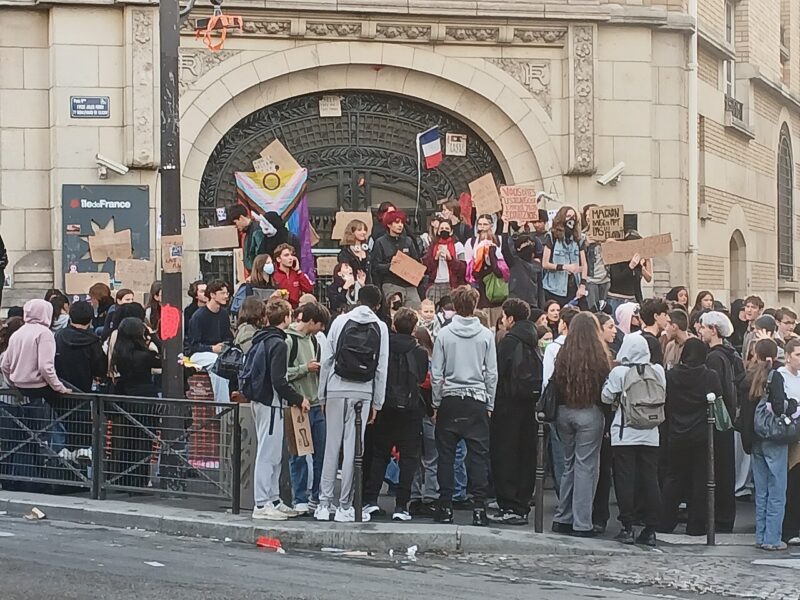
On October 17, marches were held in thirteen cities across Italy at once. People came out against rising prices for goods, low wages, taxes, and gasoline prices. The calls to action came not from political parties or trade unions, but through TikTok. About five thousand people gathered in Milan. The protest ended in a brawl with police in the Piazza del Duomo: 197 people were detained, 28 arrested, of whom 12 were minors. Across the country, more than 140 police officers were injured.
On the same day, in another square, this time in Rome, the head of the CGIL union (Italian General Confederation of Labour), Maurizio Landini, announced a general strike against the budget for November 20. The text of the budget itself will only reach parliament on October 28, that is, they are planning to strike against a document that no one has read yet.
Essentially, the citizens expressed a unified discontent. The demands coincide: wages are not keeping up with prices, students cannot afford to rent accommodation, and diesel has climbed to nearly €2.30 per litre. The difference lies in who takes to the streets and how they act. Landini follows the established rules: the date is set, the strike is coordinated, and there are no surprises. The main slogan is “Less money for weapons,” because the budget allocates an additional €14 billion for defense. This slogan is directed not so much at the government as at the opposition itself: the trade union is pushing it to adopt a more left-wing position.
The scene in Milan, however, does not fit this framework. There were both organised groups with experience in street clashes and ordinary teenagers who had been mobilised through the social networks. It is impossible to engage in dialogue with them not because no one wants to, but because it is unclear whom to talk to. That is why the government is discussing not the causes but the consequences: violence, rioting, and investigations without leniency on account of age. Centre-left mayors have tried to bring the discussion back to the ctitical issues. They have demanded an urgent meeting with Prime Minister Giorgia Meloni and raised concerns about housing, wages, and transport. According to them, the social contract between generations in Italy is now under threat.
The government is not afraid of the November 20 strike. It is, after all, understandable and manageable. It fears protests that are not arranged by trade unions. Italy is entering an election year, but there is no money for social spending: European budget rules and rising military expenditure are exerting pressure on the budget. November 20 will show whether the trade unions can bring the streets back within the familiar boundaries or whether the streets will act without it.
Source: Rossa Primavera News Agency