05.06.2026, Rome.
European funding tranches are keeping Italy afloat, but the high energy prices, weak demand, and high debt are preventing the economy from gaining momentum, Rossa Primavera News Agency Europe Desk wrote on June 5.
The updated OECD (Organisation for Economic Co-operation and Development) forecast of June 3, which lowered expectations for Italy’s GDP growth in 2026 to a critical 0.5%, confirmed the onset of a prolonged economic stagnation in the third-largest economy of the eurozone. The situation is being aggravated by a leading indicator – the Purchasing Managers’ Index (PMI) – which has recorded a decline in the services sector for the third consecutive month due to a new surge in energy prices.
Italy’s economy is stagnating despite massive financial injections. Just days ago, Rome received another tranche within the Recovery and Resilience Plans (NRRP) worth €12.8 billion, yet this has had no systemic effect on GDP growth dynamics.
The multibillion-euro NRRP is not serving as a short-term growth driver because of its internal structure. Funds from the European program are strictly tied to long-term reforms, digitalization, and the green transition. These projects have lengthy implementation timelines and often become bogged down. As a result, they are unable to offset current market shocks in a timely manner.
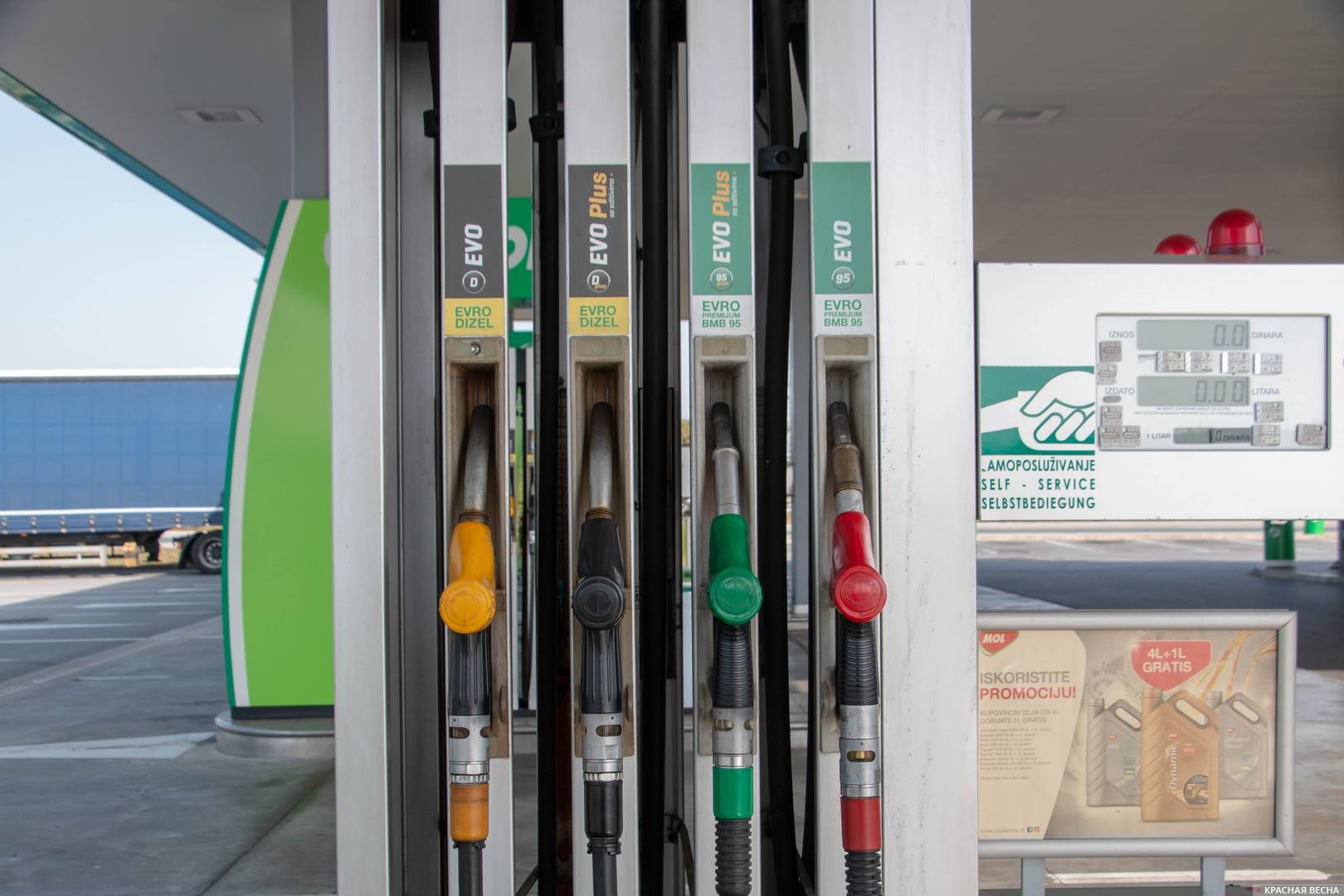
The new energy crisis is hitting the economy here and now. Cost-push inflation is directly undermining industrial profitability and forcing service-sector businesses to pass rising energy costs on to consumers through higher prices. As a result, consumer demand, which forms the foundation of the domestic market, is declining.
A slowdown in GDP growth to 0.5% under the European Central Bank’s tight monetary policy creates a critical threat: servicing Italy’s enormous public debt, which exceeds 130% of GDP, is becoming increasingly difficult. Without economic growth, the budget deficit will inevitably begin to expand at an accelerating pace.
This macroeconomic environment places the government of Giorgia Meloni in a difficult position as it prepares the 2027 budget. The cabinet will have to maneuver between deep cuts to social spending and politically unpopular tax increases. To avoid pressure from debt markets and prevent investor panic, Rome will most likely choose a path of reducing subsidies and partially scaling back social programs.
At the same time, in an attempt to preserve domestic consumption amid cost-push inflation, the authorities may resort to targeted emergency measures. These could include selective reductions in labor taxes for low-income citizens and the introduction of temporary caps on utility tariffs. However, such steps would require reallocating funds from other areas of the budget. They would provide only short-term relief for the population while leaving the fundamental problems of the Italian economy unresolved.
Source: Rossa Primavera News Agency